 VF-nC3 Serie
 VF-S15 Serie
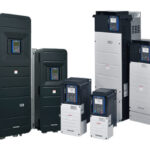 VF-AS3 Serie
 GD28 Serie
 GD350A Serie IP20
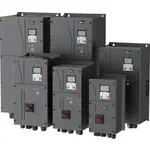 GD350 Serie IP55
 GD20-EU Serie
 EDS3 Serie IP20
 EDS3 Serie IP66
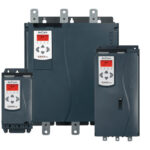 AuCom EMX4i Serie
 AuCom CSXi Serie



 Pumpenverteilergetriebe
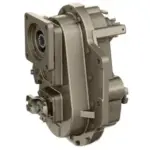 Hydrostatische Getriebe
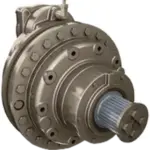 Planetengetriebe
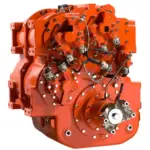 Lastschaltgetriebe
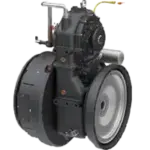 Parallelhybridgetriebe
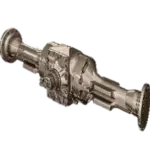 Achsen



How to avoid failures and safety risks in crane hoists.
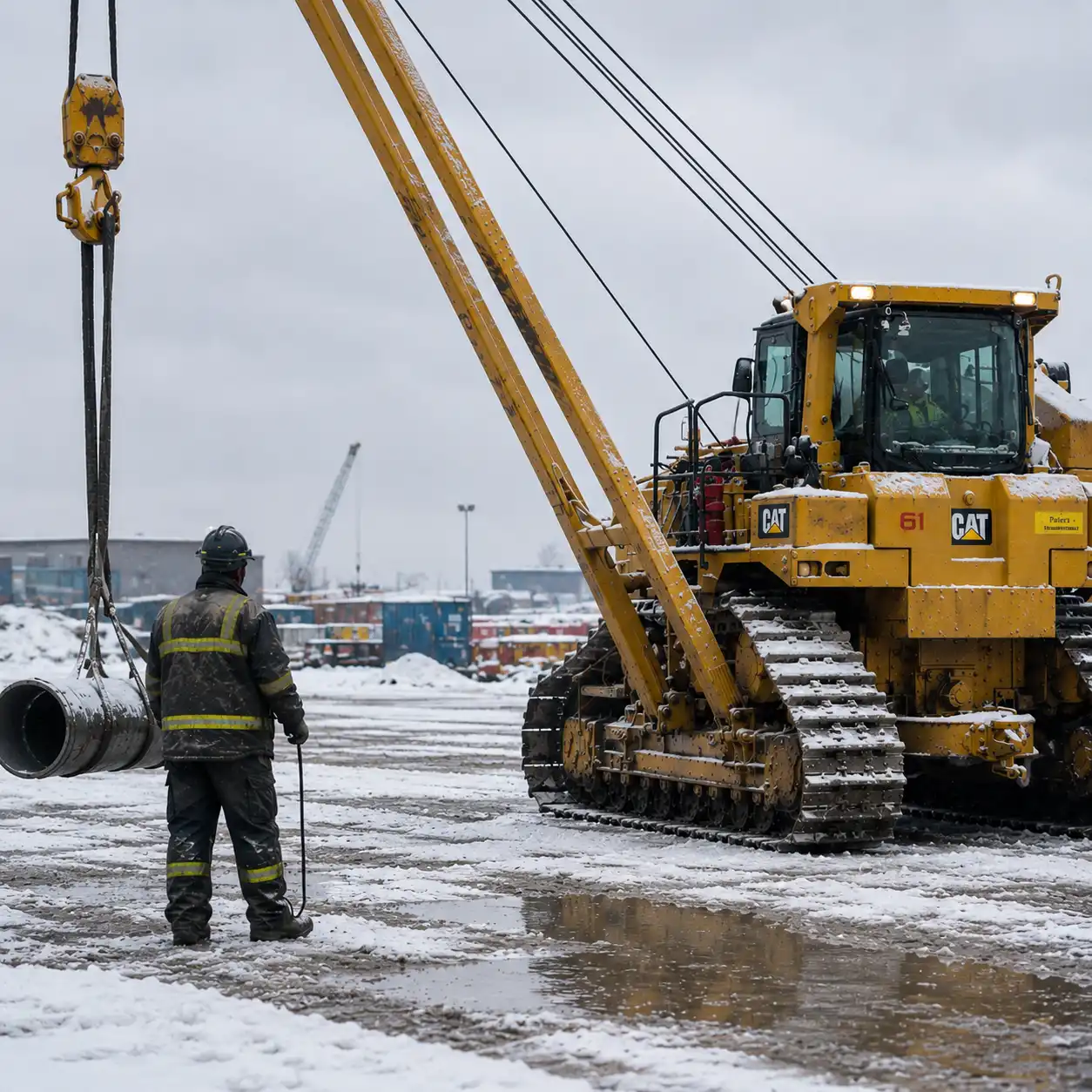
Crane safety starts here – why maintenance of winches and hoist winches is essential
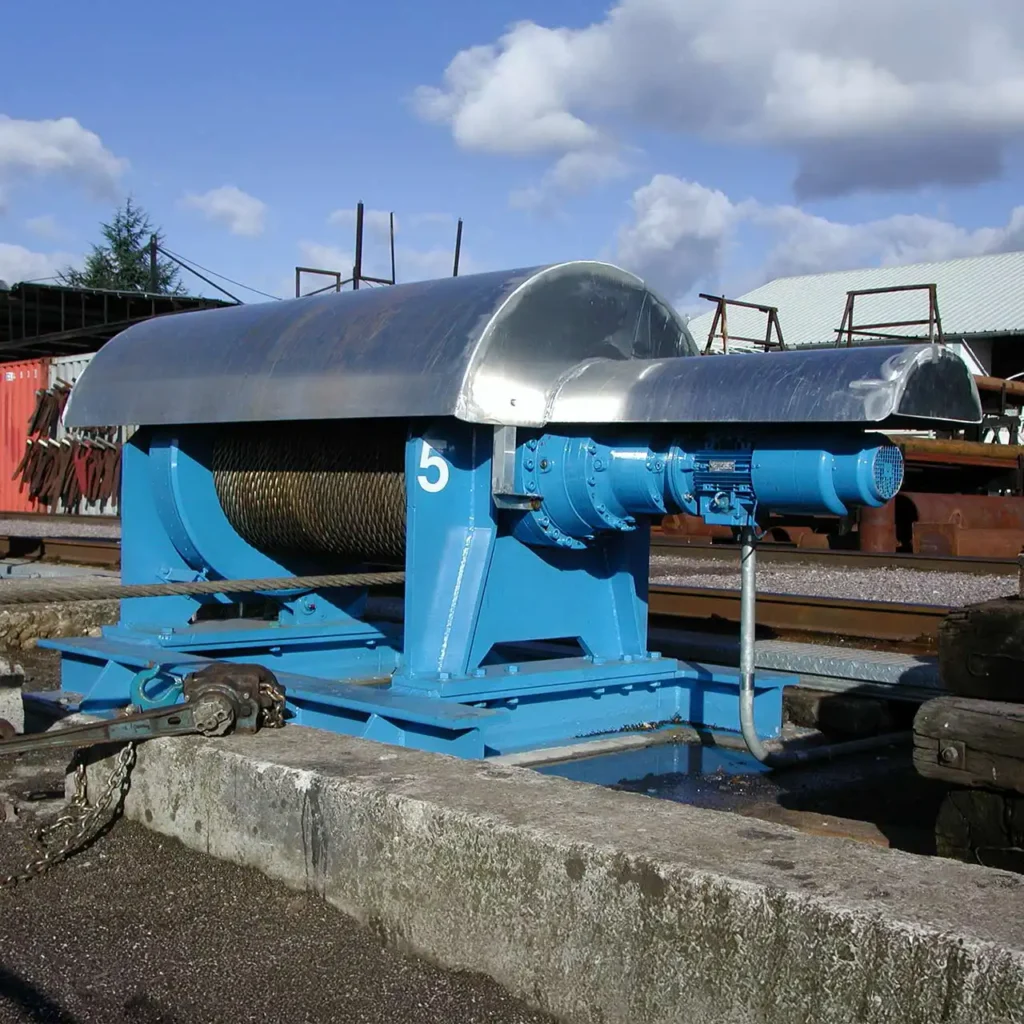
In crane and lifting technology, one principle applies above all: safety has top priority. One of the most important components of a mobile crane is the winch or hoist winch – especially in the form of a planetary hoist, which moves loads and, in some cases, people. Regular maintenance of the crane winch is therefore not optional, but an essential prerequisite for safe and reliable crane operation.
Why maintenance of winches and hoist winches is so important
Modern winches and hoist winches for cranes, such as the proven BRADEN PD and CH series, are highly stressed and technically complex drive systems. They must operate reliably under all conditions in order to hold heavy loads safely.
Compliance with the manufacturer’s maintenance specifications for winches, regular inspections of the hoist winch, and adherence to applicable standards and safety regulations are therefore essential. Missed maintenance intervals or postponed repairs increase the risk of winch failure, unplanned downtime, and serious safety incidents.
As the official partner of Arrowhead Winch in Germany, ESCO Antriebstechnik follows internationally recognized best practices. With the document LIT2739 (PB308), Arrowhead Winch provides an industry-established guide for the inspection, maintenance, and testing of winches and hoist winches with planetary gearboxes.
Daily inspection of winches and hoist winches
Before each use, the crane winch or hoist winch should undergo a short but thorough visual and functional inspection:
- Check the oil level of the winch
For hoist winches with a sight glass, check daily. The oil level must be between the minimum and maximum marks. - Vent plug of the hoist winch
Check daily for damage or leaks. If oil loss is detected, the winch must be taken out of service immediately. - Visual inspection of the winch
Check the housing, bolted connections, pins, and hydraulic lines for wear or damage. - Safety functions on the hoist winch
Devices such as anti-two-block systems must function properly. - Ratchet and pawl mechanism of the winch
If present, check for correct engagement. - Warm-up of the hoist winch
Especially at low temperatures, the winch should be slowly warmed up before load operation.
Quarterly maintenance of crane winches
Every three months, more in-depth maintenance of the winch and hoist winch is required:
- Brake test of the hoist winch
The load must not lower when the controls are in neutral. Any movement indicates a problem. - Corrosion and damage inspection
Check the drum, housing, and mounting elements of the winch. - Oil analysis of the winch
Early detection of gearbox wear or contamination.
Annual inspection of the winch and hoist winch
Once a year, a comprehensive inspection of the crane winch should be carried out:
- Oil change on the winch after prior oil sampling
- Removal, cleaning, and inspection of the vent plug of the hoist winch
- Inspection for shock loading on the rope, drum, and hoist winch
- Functional brake test under real load conditions
Teardown inspection of winches – every 3 to 5 years
For heavily used hoist winches, especially when lifting people, a complete teardown of the winch is necessary:
- Disassembly and inspection of all winch components
Gears, bearings, brakes, pins, and pawls of the winch - Replacement of safety-relevant components of the hoist winch
For example, brake clutch and ratchet mechanism - Magnetic particle inspection (MPI) of gearbox parts of the winch
- Replacement of all seals and O-rings
- Load and functional tests of the hoist winch
Static pull test up to rated load as well as dynamic testing - Oil change after winch overhaul
Change again after approx. 100 operating hours
Conclusion: Regular maintenance of winches and hoist winches saves lives
A poorly maintained winch or hoist winch poses a significant safety risk. Unusual noises, jerky movements, or drifting loads are always warning signs and require the immediate shutdown of the winch.
Through structured maintenance intervals, complete documentation, and professional servicing, you ensure that your crane winch:
- operates safely
- lasts longer
- causes less downtime
- meets all relevant safety requirements
Professional maintenance of winches and hoist winches is not an optional effort, but a decisive contribution to occupational safety and system availability.